
Why Structural Steel Quality Matters in Solar Mounting Systems
Solar mounting systems are designed to support panels reliably for 25 years or more. While solar modules generate energy, it is the structural steel framework that ensures safety, stability, and long-term performance of the entire installation.
The quality of structural steel used in solar mounting systems directly impacts strength, durability, corrosion resistance, and overall lifecycle cost. This blog explains why steel quality is a critical factor in solar infrastructure.
The Role of Structural Steel in Solar Mounting Systems
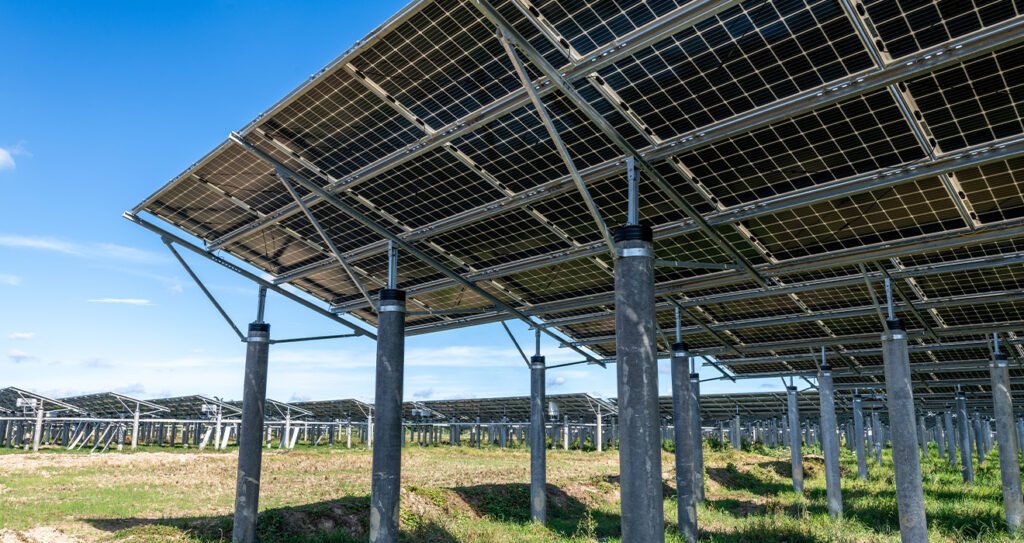
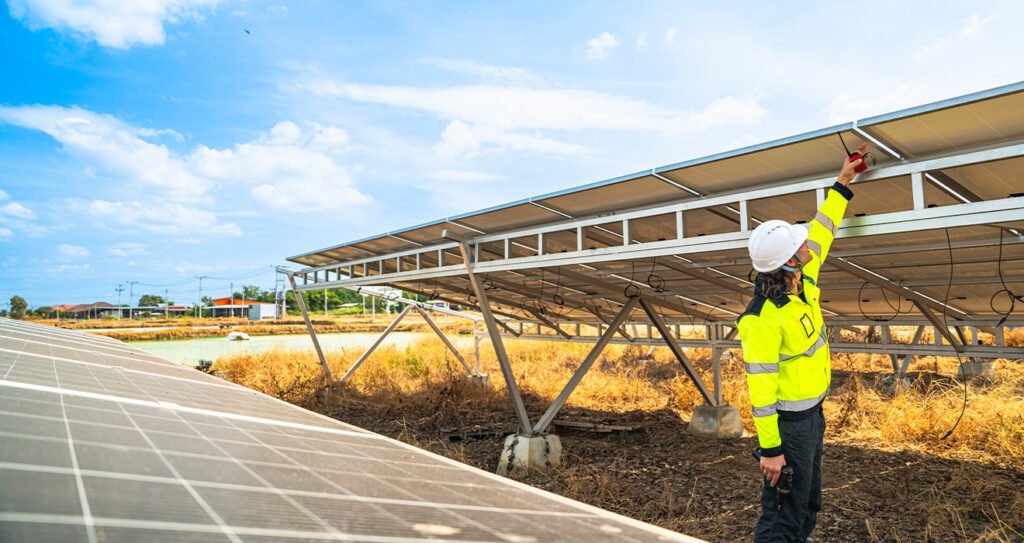
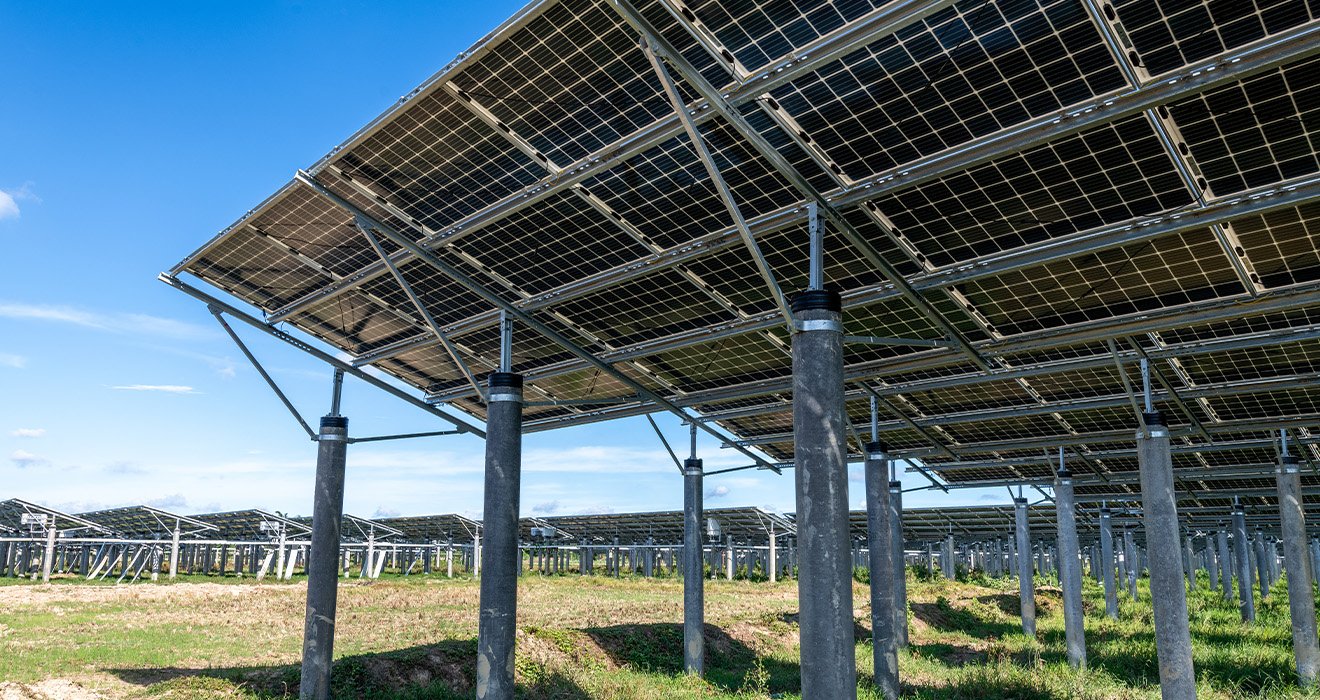
Structural steel components such as channels, purlins, base plates, brackets, and fasteners form the backbone of solar mounting systems. These elements distribute loads, resist environmental forces, and maintain proper alignment of solar panels throughout their service life.
Poor-quality steel can compromise structural integrity, leading to deformation, corrosion, or even failure under long-term stress.
Strength and Load-Bearing Capacity
High-quality structural steel offers superior strength and consistent mechanical properties. This ensures the mounting system can withstand wind loads, seismic activity, and the static weight of solar modules.
Steel with inconsistent composition or inferior grade may experience early fatigue, bending, or cracking, reducing the lifespan of the structure.
Dimensional Accuracy and Fitment
Quality steel combined with precision manufacturing results in accurate dimensions and uniform profiles. Proper fitment reduces installation errors and ensures even load distribution across the structure.
Inaccurate or inconsistent steel sections can lead to misalignment, stress concentration, and increased on-site adjustments.
Corrosion Resistance and Environmental Durability
Solar mounting systems are exposed to harsh outdoor environments, including moisture, heat, dust, and pollution. High-quality steel with appropriate galvanization provides effective protection against corrosion.
Pre-galvanized and hot-dip galvanized steel coatings help prevent rust, reduce maintenance requirements, and ensure long-term durability.
Manufacturing Quality and Process Control
Steel quality is closely linked to the manufacturing process. Precision roll forming preserves the grain structure of steel and ensures uniform thickness, resulting in stronger and more reliable components.
In contrast, inconsistent fabrication methods and poor material control can introduce weak points and dimensional variations.
Impact on Installation Efficiency
High-quality structural steel components simplify installation by ensuring accurate alignment, smooth connections, and compatibility with clamps, jointers, and fasteners.
This leads to faster installation, reduced labor costs, and fewer errors during project execution.
Long-Term Cost and Project Reliability
While higher-quality steel may have a slightly higher initial cost, it significantly reduces long-term expenses related to maintenance, repairs, and structural replacements.
Investing in quality structural steel ensures predictable performance, regulatory compliance, and reliable energy generation over the system’s lifespan.
Conclusion
Structural steel quality is a decisive factor in the safety, durability, and performance of solar mounting systems. From load-bearing strength and corrosion resistance to installation efficiency and long-term reliability, quality steel forms the foundation of successful solar projects.
By choosing precision-engineered, high-grade structural steel components, solar developers and EPC contractors can build mounting systems that deliver dependable performance for decades.