
The Backbone of Solar Power: Understanding Structural Channels and Purlins
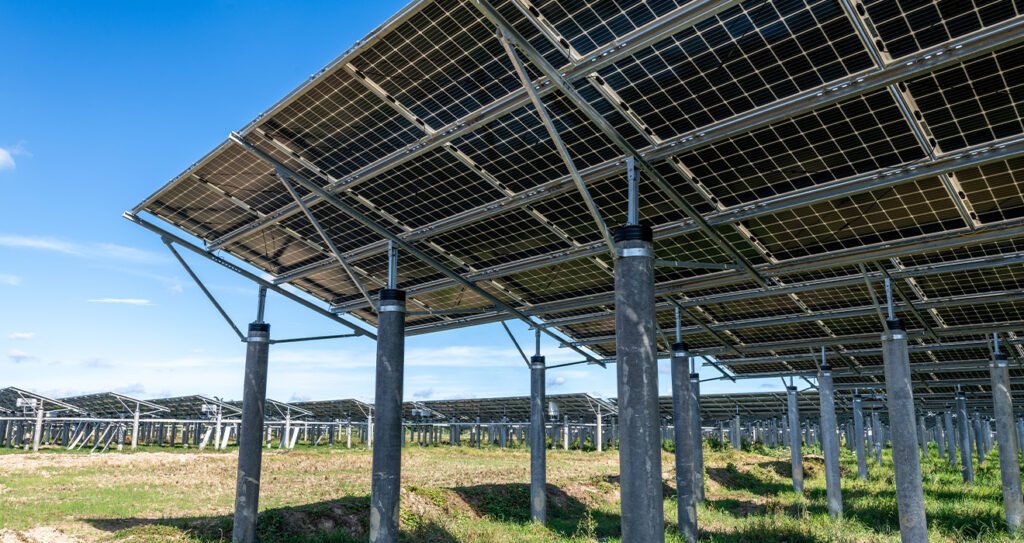
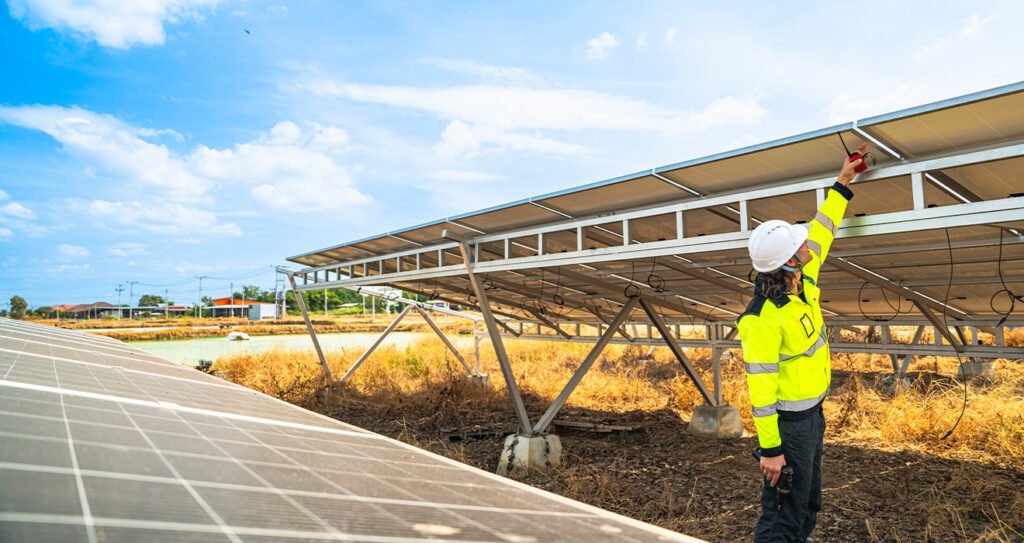
Behind every reliable solar installation lies a strong and well-engineered support system. While solar panels generate power, it is the structural channels and purlins that provide the strength, alignment, and stability needed for long-term performance.
In this blog, we explain what structural channels and purlins are, how they function in solar mounting systems, and why their quality is critical for durable solar infrastructure.
What Are Structural Channels?
Structural channels are roll-formed steel sections commonly used as primary and secondary members in solar mounting structures. These profiles are typically manufactured as C-Channels or Strut Channels and are available in slotted or unslotted configurations.
Structural channels serve as the main framework that supports solar panels, distributes loads, and transfers forces to foundations or rooftops.
What Are Purlins?
Purlins are horizontal structural members used to support solar modules and connect vertical structural elements. In solar installations, purlins help maintain proper spacing, alignment, and load distribution across the structure.
Roll-formed purlins are widely preferred due to their high strength-to-weight ratio, dimensional accuracy, and ability to span long distances with minimal deflection.
The Role of Structural Channels and Purlins in Solar Systems
1. Load Distribution
Structural channels and purlins distribute the weight of solar panels evenly across the structure, reducing stress on individual components and foundations.
2. Wind and Environmental Resistance
Solar installations are exposed to wind uplift, temperature variations, and environmental forces. High-quality structural members ensure the system remains stable under extreme weather conditions.
3. Alignment and Structural Integrity
Precision-formed channels and purlins maintain accurate alignment of solar panels, ensuring optimal orientation, easy installation, and long-term structural integrity.
Why Roll-Formed Channels and Purlins Are Preferred
Roll forming produces uniform profiles with tight tolerances, making it the ideal manufacturing method for structural components used in solar mounting systems.
-
Consistent dimensions across large production volumes
-
High strength with reduced material wastage
-
Long continuous lengths with fewer joints
-
Compatibility with clamps, jointers, and fasteners
-
Faster installation and reduced on-site adjustments
Slotted vs Unslotted Structural Channels
Slotted channels offer flexibility and adjustability during installation, making them suitable for secondary members and mounting rails. Unslotted channels provide higher load-bearing capacity and are typically used for primary structural applications.
Selecting the correct type depends on project design, load requirements, and installation preferences.
Corrosion Protection and Long-Term Durability
Structural channels and purlins are exposed to outdoor environments throughout the life of a solar project. To ensure durability, these components are supplied with pre-galvanized or hot-dip galvanized finishes.
Proper galvanization protects against corrosion, reduces maintenance requirements, and ensures the structure performs reliably for 25 years or more.
Conclusion
Structural channels and purlins are the backbone of every solar power system. Their strength, accuracy, and durability directly impact the performance and lifespan of solar installations.
By using precision roll-formed channels and purlins, solar developers and EPC contractors can ensure safe, efficient, and long-lasting solar structures that support the future of renewable energy.