
Key Factors That Determine the Lifespan of Solar Mounting Structures
Solar power systems are designed to operate efficiently for 25 years or more. While solar panels often receive the most attention, the long-term performance of a solar plant depends heavily on the quality and durability of its mounting structures.
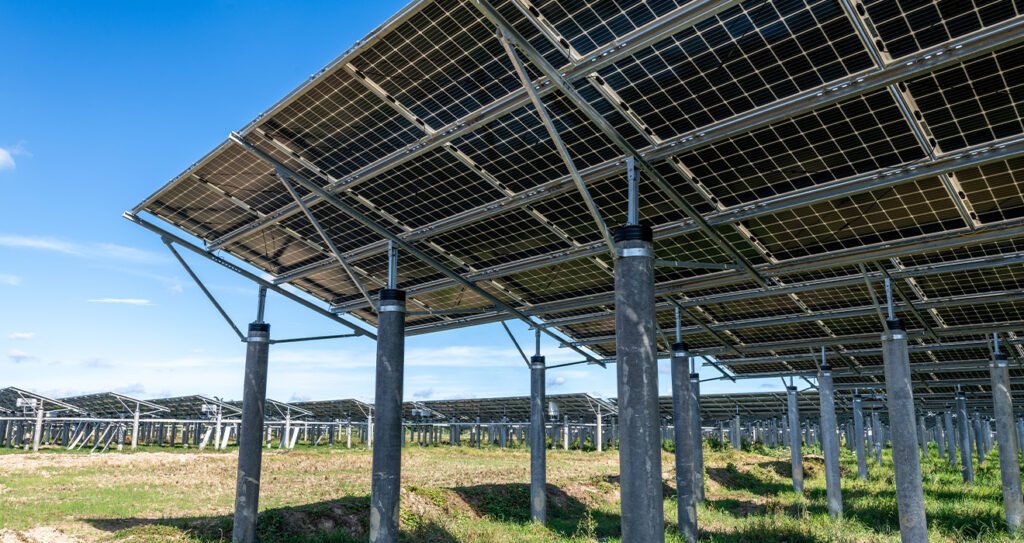
The lifespan of solar mounting structures is influenced by several critical engineering, material, and environmental factors. Understanding these factors helps EPC contractors, developers, and asset owners ensure long-term reliability and lower maintenance costs.
1. Material Quality and Grade
The choice of steel and material grade plays a fundamental role in determining structural lifespan. High-tensile and galvanized steel offer superior strength and resistance to deformation under continuous load.
Inferior material grades may lead to early fatigue, bending, or corrosion, significantly reducing the operational life of the structure.
2. Manufacturing Process
The method used to manufacture structural components directly affects their consistency and performance. Precision roll forming ensures uniform profiles, tight dimensional tolerances, and continuous grain structure.
Compared to conventional fabrication, roll-formed components exhibit fewer weak points, improved strength-to-weight ratios, and better long-term stability.
3. Corrosion Protection and Coating Thickness
Solar mounting structures are exposed to moisture, heat, dust, and varying environmental conditions. Effective corrosion protection is essential to maintain structural integrity over decades.
Pre-galvanized and hot-dip galvanized coatings, typically ranging from 80 GSM to 275 GSM, provide long-lasting resistance against rust and environmental degradation.
4. Structural Design and Load Capacity
Proper structural design ensures the mounting system can withstand wind loads, seismic forces, and the weight of solar modules without excessive deflection.
Design calculations must account for local climatic conditions, soil type, and installation geometry to avoid premature structural failure.
5. Dimensional Accuracy and Fitment
Accurate dimensions and precise hole alignment are essential for correct assembly and load distribution. Poor fitment can cause stress concentration and uneven load transfer, reducing structural lifespan.
Precision-manufactured components minimize installation errors and ensure consistent performance across the entire structure.
6. Quality of Fasteners and Connections
Fasteners, clamps, and jointers play a vital role in maintaining structural stability. Low-quality or incompatible fasteners may loosen over time, compromising the integrity of the system.
Using corrosion-resistant and correctly rated hardware ensures secure connections throughout the life of the project.
7. Installation Practices
Even the best-designed structures can fail prematurely if installation practices are improper. Incorrect torqueing, misalignment, or uneven foundation preparation can reduce system life.
Skilled installation teams and adherence to engineering guidelines are essential for long-term performance.
8. Environmental and Climatic Conditions
Environmental factors such as coastal exposure, high humidity, industrial pollution, and extreme temperatures influence corrosion rates and material fatigue.
Selecting appropriate coatings, materials, and design specifications based on site conditions is critical for extending structural lifespan.
9. Maintenance and Inspection
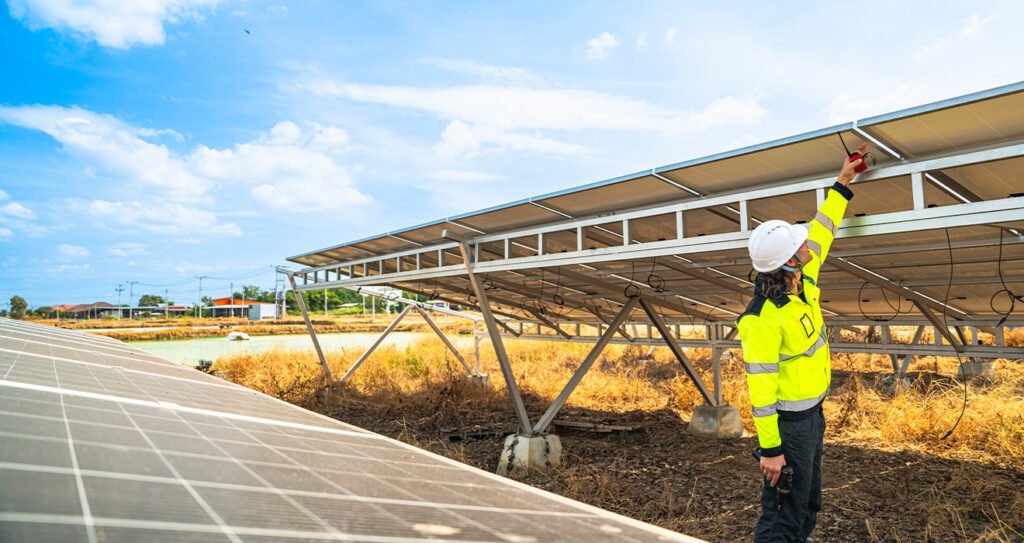
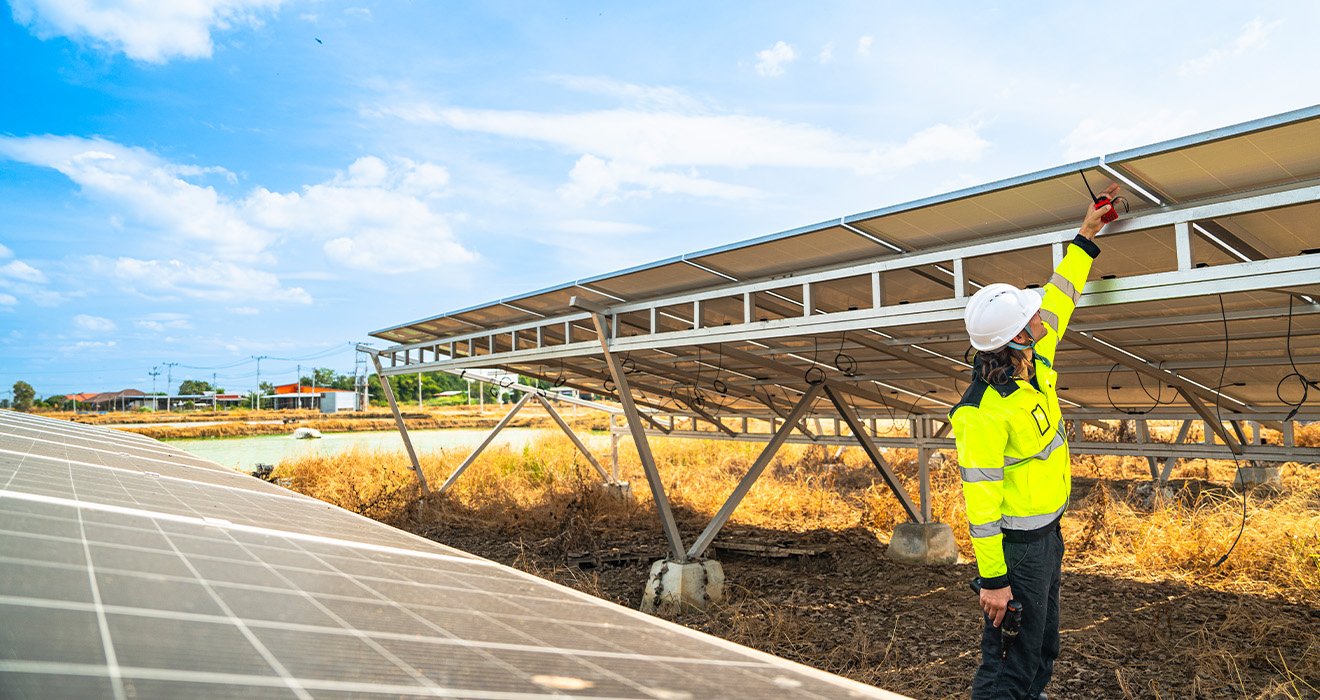
Regular inspection and preventive maintenance help identify early signs of corrosion, loosening, or damage. Addressing minor issues early prevents larger structural problems later.
Well-maintained solar mounting structures consistently achieve their intended design life and beyond.
Conclusion
The lifespan of solar mounting structures depends on a combination of material quality, manufacturing precision, corrosion protection, structural design, and installation practices.
By choosing precision-engineered, roll-formed components and following best practices in design and installation, solar developers can ensure safe, durable, and long-lasting mounting structures that support reliable solar power generation for decades.